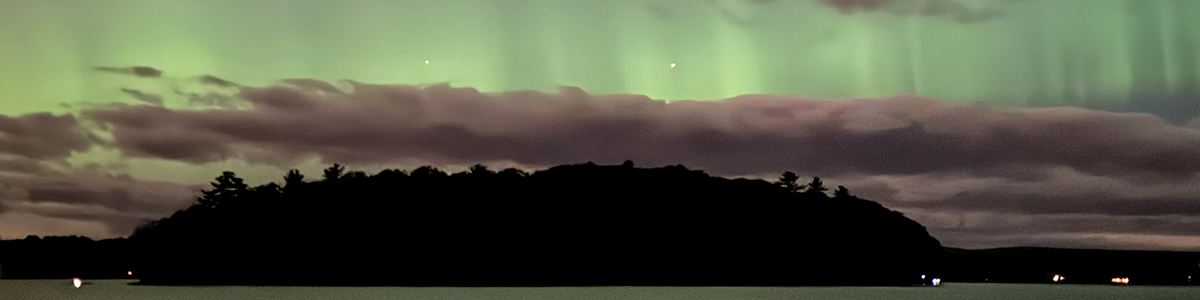
You finally get away.
The bags are down. The view is good. The lake is right there. And yet - instead of relaxing - your brain starts pacing.
Shouldn't I be doing something? Am I wasting this time? Why do I feel oddly restless when I'm supposed to be calm?
If this sounds familiar, you're not bad at relaxing. You're just human - and very well trained.
Quick Answers
Why does rest feel uncomfortable at first?
Because most of us are trained for output. The absence of a schedule can feel suspicious until your body catches up.
When does the calm usually arrive?
Usually after the first 24 hours, once the nervous system stops expecting the next task.
What helps the shift happen faster?
Nature, quiet, and permission to do less. Water and trees do more work than any checklist.
Productivity Guilt: The Thing That Followed You on Vacation
Most of us live inside systems that reward output.
Calendars fill themselves. Messages expect responses. Even leisure has goals now - steps to hit, sights to see, experiences to "make the most of."
So when you arrive somewhere that asks nothing of you, your nervous system gets confused.
Doing nothing can feel suspicious. Rest can feel undeserved. Unstructured time can feel itchy.
That discomfort isn't a personal failing. It's residue from a culture that treats busyness as virtue.
Why Rest Is a Skill (Not a Switch)
We tend to think rest is automatic. Lie down. Breathe. Relax.
In reality, rest is something many of us have to relearn.
True rest requires:
- Letting go of constant decision-making
- Releasing the urge to optimize every moment
- Trusting that nothing bad will happen if you slow down
That takes practice - especially if your life rarely allows it.
The first day of vacation isn't rest. It's transition.
Nature as a Permission Slip
This is where nature quietly steps in.
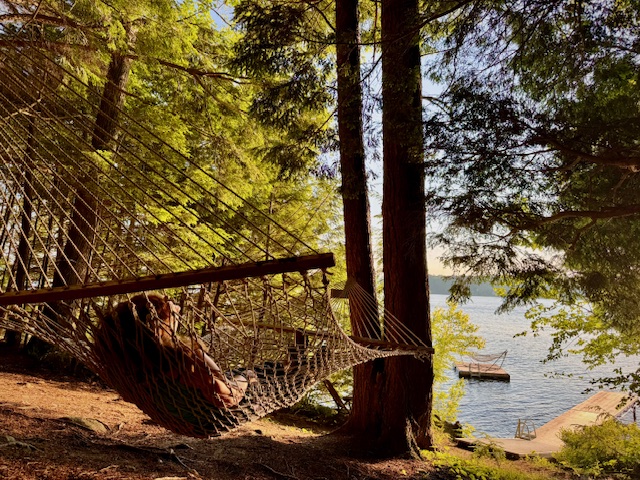
Unlike a hotel room or a city escape, being near water and trees changes the rules. Nature doesn't perform. It doesn't hurry. It doesn't apologize for being still.
When you sit by a lake, your body receives a subtle message: this pace is allowed.
You don't have to justify resting when the water isn't doing anything either.
At 1 Big Sustainable Island, the environment does a lot of the work for you. The lake sets the tempo. The island removes options. The quiet gives you permission without asking you to explain yourself.
With almost twenty years of island life experience we've coined a special term for this. You're on "Island Time."
The First 24 Hours: What's Actually Happening
Almost every guest experiences some version of this:
- Hours 1-6: excitement mixed with restlessness
- Hours 6-12: mild discomfort, fidgeting, checking the time
- Hours 12-24: the edges start to soften
- After 24 hours: the shoulders drop
That first day isn't about enjoyment. It's about unwinding momentum.
Your body is learning that it doesn't need to be alert anymore. That takes longer than the drive here.
This is why many people don't feel relaxed until the second morning - and why short trips can feel incomplete.
The Strange Relief of Doing Less
Once the adjustment happens, something shifts.
You stop measuring the day. You stop narrating your experience. You stop wondering what comes next.
And in that space, small things start to feel meaningful again:
- A slow breakfast
- A paddle with no destination
- Watching light move across water
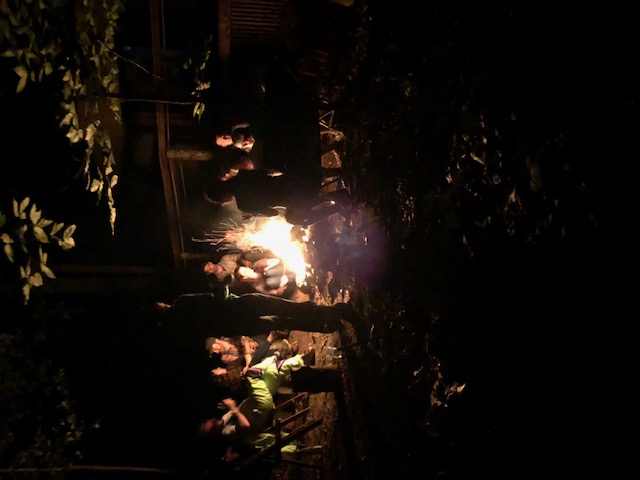
- A conversation that wanders and lands somewhere honest
None of this feels productive. All of it feels restorative.
In 1 Big Sustainable Island slang, this is referred to as a "Reset."
Why This Is Worth It
Doing less on vacation isn't about laziness.
It's about remembering how to be present without performing.
People often leave island stays surprised - not by what they did, but by how much better they feel without doing very much at all.
That feeling lingers. It changes how they approach the weeks that follow. It gives them something to return to - internally, even after they've gone home.
A Quiet Reassurance
If you arrive somewhere beautiful and don't relax immediately, nothing is wrong.
Give it time. Let the place hold the pace for you. Allow yourself to feel a little bored before you feel better.
That awkward middle is part of the process.
And once you move through it, you'll understand why some people come back to places like this again and again - not to escape life, but to remember how it's supposed to feel, in a 1 Big Sustainable Island Reset.
If you've ever tried to explain this feeling to a friend and struggled, feel free to send them this. It tends to land.
Related Guides
On Annabessacook Lake in Monmouth, Maine — near Winthrop.

Ready to plan your overnight island stay?
Bookings go fast in peak season. We'll help you pick the right spot.